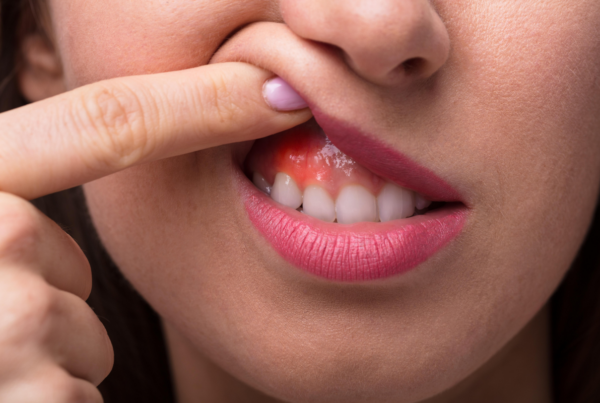

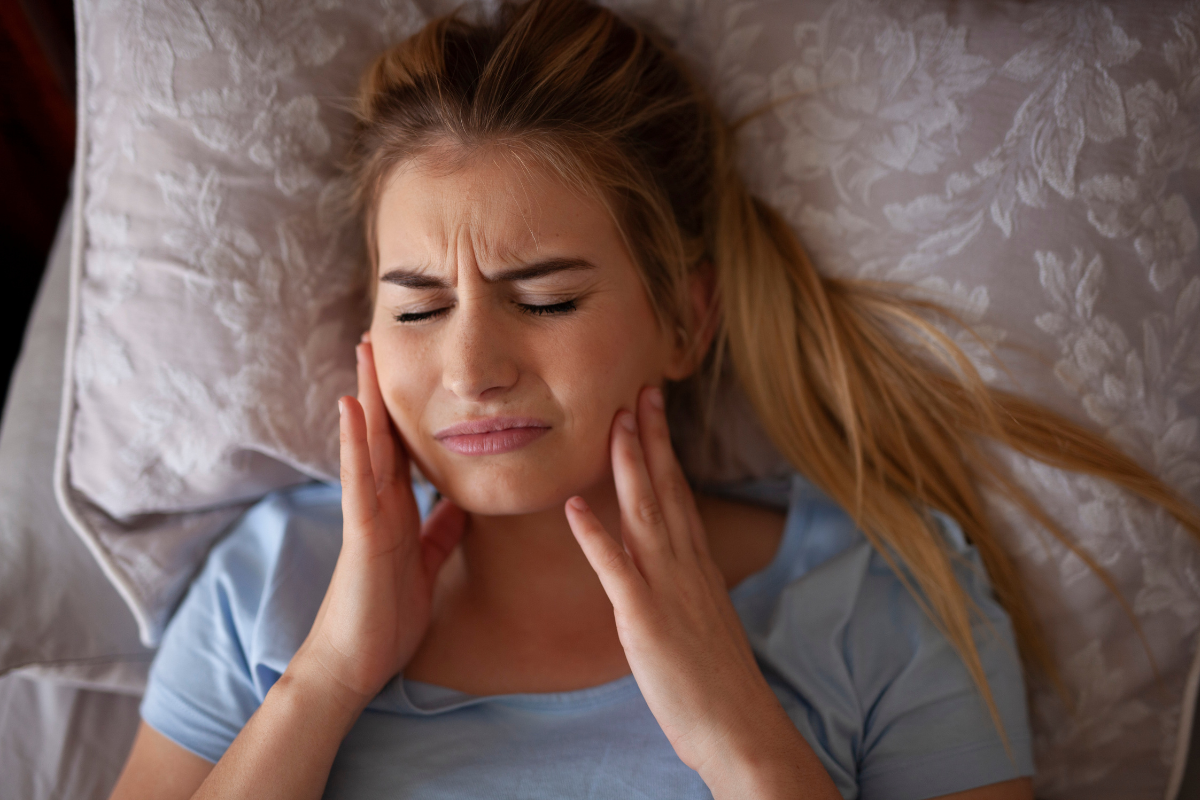
Teeth grinding at night, medically known as bruxism, is a common yet often unnoticed condition that can cause serious damage to your teeth, jaw, and overall smile. Many people are unaware that their beautiful smile is being compromised while they sleep, jeopardizing their oral health and comfort. At American Dental Practices, where preserving smiles and elevating lives is our mission, understanding and addressing bruxism is essential for long-term dental wellness.
What is Teeth Grinding at Night?
Teeth grinding, or bruxism, is the unconscious clenching or grinding of teeth, mainly during sleep. Unlike conscious habits, this often occurs silently and can go undetected until visible damage or symptoms arise. The condition is classified as a sleep-related movement disorder and affects a significant portion of adults worldwide.
The pressure exerted by grinding is intense, sometimes up to ten times greater than normal chewing force. This repetitive force wears down the enamel, leading to cracked, chipped, or flattened tooth surfaces. Over time, the damage may become irreversible, affecting both the function and aesthetics of your smile.
Causes and Risk Factors
While the exact cause of teeth grinding at night is not fully understood, several contributing factors have been identified:
- Stress and Anxiety: Emotional stress is the most common trigger, causing muscle tension that manifests as grinding during sleep.
- Sleep Disorders: Conditions such as sleep apnea and restless leg syndrome increase the likelihood of nighttime bruxism.
- Lifestyle Choices: Consumption of caffeine, alcohol, and tobacco can stimulate jaw muscles, promoting grinding behaviour.
- Medications: Certain drugs, including antidepressants, may have side effects that induce bruxism.
- Genetics: Bruxism can run in families, suggesting a hereditary component.
Identifying these causes can help you take proactive steps towards reducing teeth grinding at night and protecting your smile.
The Silent Damage of Bruxism
Since teeth grinding at night mostly happens unconsciously, its damaging effects often progress unnoticed until symptoms appear. Common signs of bruxism damage include:
- Wearing and Flattening of Teeth: This can cause sensitivity due to enamel erosion.
- Chipping or Cracking of Teeth: The intense pressure from grinding can fracture teeth or damage dental restorations.
- TMJ Pain: The temporomandibular joint (TMJ) that connects your jawbone to your skull can become inflamed or irritated, causing chronic pain and discomfort.
- Headaches and Earaches: Muscle tension from bruxism can lead to frequent headaches or a feeling of ear pain.
- Tooth Sensitivity: Worn enamel exposes dentin, making teeth susceptible to temperature sensitivities.
- Jaw Stiffness and Limited Movement: Muscle fatigue may cause difficulty in opening or closing the mouth normally.
Left untreated, bruxism can lead to severe dental problems requiring extensive restorative bruxism treatment. Early detection and intervention are key to saving your smile.
TMJ Pain and Its Connection to Bruxism

The temporomandibular joint (TMJ) plays a critical role in jaw movement. When teeth grinding at night is frequent or forceful, it places excessive strain on this joint, leading to TMJ disorders. TMJ pain can manifest as a dull ache or sharp discomfort in the jaw joint area, around the ears, or even in the head.
Symptoms related to TMJ disorders caused by bruxism include:
- Jaw clicking or popping sounds
- Restricted jaw movement or locking
- Soreness in the jaw, neck, or shoulders
- Frequent headaches or migraines
- Ear pain or ringing (tinnitus)
Addressing TMJ pain early not only improves comfort but also prevents long-term joint damage.
How American Dental Practices Can Help with Bruxism Treatment
At American Dental Practices, understanding the complexities of bruxism allows us to offer comprehensive bruxism treatment tailored to your needs. Our multidisciplinary approach combines the latest dental technology with personalised care to protect your smile and alleviate symptoms.
Night Guards: The First Line of Defence

One of the most effective solutions for teeth grinding at night is the use of custom-made night guards. These are durable, protective devices that fit snugly over your teeth to act as a cushion between the upper and lower jaws. By preventing direct contact between teeth, night guards help:
- Reduce enamel wear and tooth damage
- Minimise jaw muscle strain
- Prevent TMJ pain and associated headaches
- Protect dental restorations such as crowns and fillings
Our dental experts at American Dental Practices craft night guards using premium materials tailored for comfort and durability, ensuring you wear them consistently throughout the night.
Stress Management and Lifestyle Counselling
Because stress is a major trigger for bruxism, we emphasise holistic treatment strategies including relaxation techniques, behavioural therapy, and lifestyle modifications. Stress reduction methods like meditation, exercise, and proper sleep hygiene can significantly reduce teeth grinding at night incidents.
Advanced Diagnostic and Treatment Options
For severe or persistent bruxism, additional bruxism treatments may be recommended:
- Botox Injections: Targeted injections can relax jaw muscles and reduce grinding intensity.
- Muscle Relaxants: Short-term use of medication may be prescribed for muscle relaxation.
- Treatment of Underlying Sleep Disorders: Conditions like sleep apnea may be diagnosed and managed in collaboration with sleep specialists.
- Physical Therapy: Jaw exercises and massage can relieve muscle tension and improve TMJ function.
Our team at American Dental Practices stays at the forefront of bruxism research and techniques, making sure patients receive best care.
Why Early Intervention is Crucial
Ignoring teeth grinding at night can lead to irreversible damage. The enamel once lost cannot be naturally restored, increasing vulnerability to decay and tooth loss. TMJ damage can become chronic, significantly reducing quality of life. Early bruxism treatment with interventions like night guards can prevent these complications, saving you time, discomfort, and costly dental procedures.
Signs You May Be Grinding Your Teeth at Night
If you suspect bruxism, look out for these signs:
- Morning jaw soreness or headaches
- Noticeable tooth wear or sensitivity
- Your partner hears grinding sounds during sleep
- Difficulty opening your mouth fully or jaw clicking
- Increased tooth pain or gum recession without an obvious cause
A dental consultation can provide a definitive diagnosis and personalised treatment plan.
Taking the First Step with American Dental Practices
Your smile deserves the highest standard of care. If teeth grinding at night has started to affect your oral health or comfort, American Dental Practices invites you to experience the difference of expert bruxism treatment. From precise diagnosis to custom night guards and holistic stress management, our dedicated team ensures a healthier, more comfortable smile.
Protect your smile from the damaging effects of bruxism by scheduling a consultation with American Dental Practices. Our clinic in Mumbai and Clinic in Indiranagar Bangalore are equipped with the latest technology and staffed by compassionate professionals ready to guide you towards lasting oral health and confidence.