

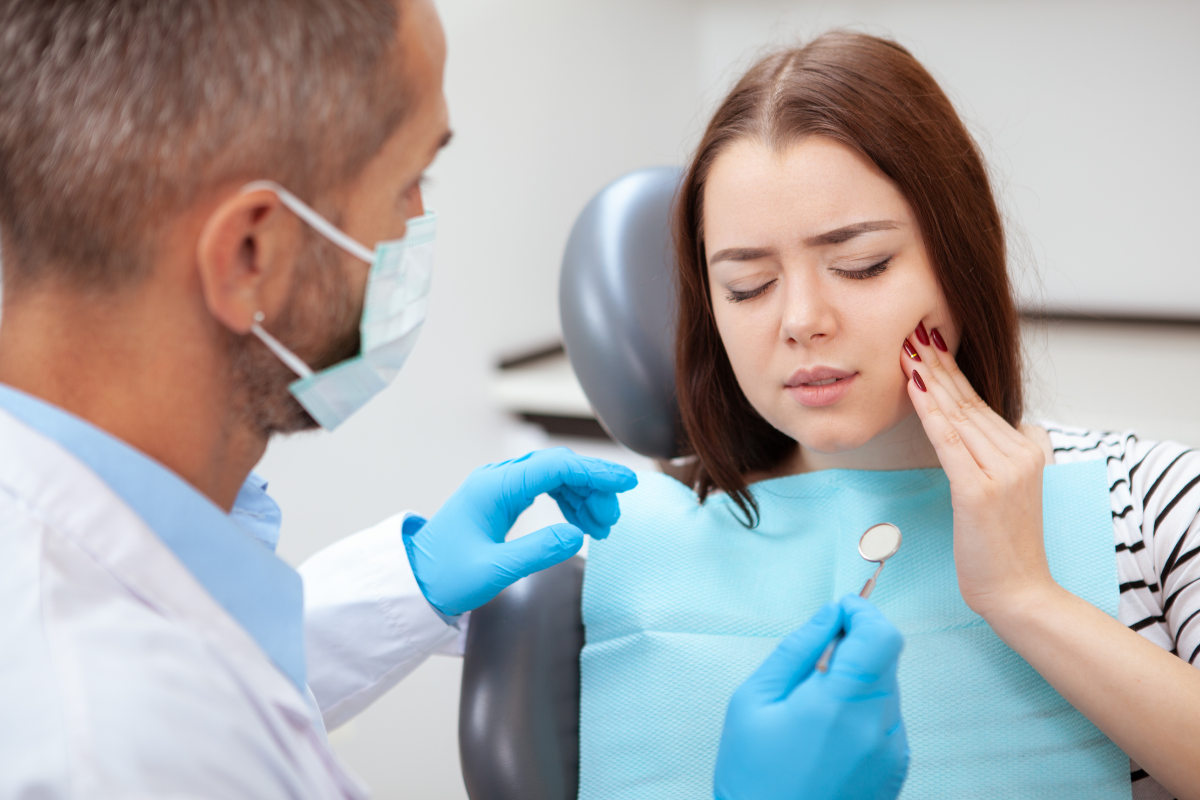
Tooth sensitivity, also known as dentin hypersensitivity, is a common dental concern that causes sharp pain or discomfort when teeth come into contact with hot, cold, sweet, or acidic substances. If you experience sudden, brief jolts of pain while eating, drinking, or brushing your teeth, you may be dealing with sensitive teeth. Understanding the causes of tooth sensitivity and knowing how to treat sensitive teeth effectively can help you maintain a comfortable and healthy smile.
What is Tooth Sensitivity?
Tooth sensitivity occurs when the protective outer layers of your teeth, enamel and gums, are worn down or recede, exposing the dentin underneath. The dentin contains microscopic tubules leading to nerve endings inside the tooth. When stimuli like temperature changes or acidic foods reach these nerves, they trigger pain signals that feel sharp and uncomfortable.
Common Causes of Tooth Sensitivity
Knowing the causes of tooth sensitivity can help you take steps to prevent worsening symptoms. Here are some key factors that commonly lead to sensitive teeth:
- Enamel Erosion: Frequent consumption of acidic foods and drinks such as citrus fruits, soda, and sports beverages can wear down enamel, exposing the dentin beneath.
- Gum Recession: Gum disease, aggressive brushing, or aging can cause gums to pull back from the teeth, exposing the sensitive roots.
- Brushing Too Hard: Using a hard-bristled toothbrush or brushing vigorously can wear away enamel and injure gum tissue.
- Tooth Grinding (Bruxism): Grinding or clenching teeth causes enamel wear and increases sensitivity.
- Tooth Decay and Damage: Cavities, cracked or chipped teeth expose dentin, causing pain.
- Dental Procedures: Recent whitening treatments, fillings, or cleanings may temporarily increase sensitivity.
- Poor Oral Hygiene: Plaque buildup and gum inflammation can contribute to exposed roots and sensitivity.
Understanding these causes of tooth sensitivity is essential for effective tooth sensitivity treatment and prevention.
How to Treat Sensitive Teeth: Professional and At-Home Options
If you are wondering how to treat sensitive teeth, the good news is that there are many effective options both at home and through professional dental care. Here are the proven methods:
Tooth Sensitivity Treatment at the Dentist
- Fluoride Treatments: Dentists can apply fluoride varnish or gel to strengthen enamel and desensitize sensitive areas.
- Bonding Agents: If gum recession or root exposure is severe, dentists may cover exposed areas with bonding resin.
- Deep Cleaning (Scaling and Root Planing): This removes plaque and tartar build-up below the gumline that contributes to sensitivity.
- Gum Grafting: In severe gum recession, surgical gum grafts cover exposed roots.
- Crowns and Fillings: Repairing cracked or damaged teeth can prevent further sensitivity.
- Root Canal Therapy: Needed in cases where tooth sensitivity is due to nerve damage or infection.
At-Home Tooth Sensitivity Treatment
- Use the Best Toothpaste for Sensitive Teeth: Specially formulated desensitizing toothpastes contain ingredients like potassium nitrate or stannous fluoride that block pain signals and help rebuild enamel protection.
- Gentle Brushing: Use a soft-bristled toothbrush and brush gently to avoid further enamel wear or gum damage.
- Avoid Acidic Foods and Drinks: Limit intake of citrus, soda, and other acidic substances that erode enamel.
- Sensitive Teeth Remedies Using Natural Ingredients: Natural remedies such as clove oil, green tea rinses, saltwater rinses, and oil pulling with coconut oil may provide soothing effects.
- Avoid Whitening Products: Whitening toothpaste or treatments may worsen sensitivity if used excessively.
- Maintain Good Oral Hygiene: Regular brushing and flossing to prevent plaque buildup and gum disease.

Sensitive Teeth Remedies: Natural and Lifestyle Tips
Many people seek sensitive teeth remedies that are gentle and natural. Incorporating these remedies alongside professional treatments can provide relief:
- Saltwater Rinse: A simple saltwater rinse reduces gum inflammation and kills bacteria. Mix half a teaspoon of salt in warm water and rinse for 30 seconds.
- Clove Oil Application: Clove oil has analgesic and anti-inflammatory properties. Dab a few drops on a cotton swab and apply to the painful area for relief.
- Green Tea: Drinking unsweetened green tea twice daily helps reduce inflammation and strengthens teeth with antioxidants.
- Coconut Oil Pulling: Swishing coconut oil in the mouth for 10-15 minutes can reduce plaque and soothe sensitivity.
- Use a Soft Toothbrush: Brushing with a soft brush prevents aggravating sensitive gums and teeth.
- Limit Sugar and Acidic Snacks: Reducing sugary snacks decreases acid production in the mouth.
These sensitive teeth remedies can be simple yet effective adjuncts to traditional tooth sensitivity treatment.
Choosing the Best Toothpaste for Sensitive Teeth
Choosing the right toothpaste is one of the easiest and most effective ways to manage sensitive teeth. The best toothpaste for sensitive teeth contains ingredients designed to block nerve pain and strengthen enamel. Look for the following key ingredients:
- Potassium Nitrate: Calms nerve activity inside the teeth for pain relief.
- Stannous Fluoride: Helps rebuild enamel and protect dentin tubules.
- Arginine: Aids in sealing exposed dentin tubules.
- Calcium Compounds: Promote remineralization of enamel.
Using the best toothpaste for sensitive teeth consistently can significantly reduce discomfort over time.
When to See a Dentist for Tooth Sensitivity Treatment
If your tooth sensitivity persists despite trying home remedies and the best toothpaste for sensitive teeth, it’s important to see a dental professional. Sharp, severe, or prolonged pain may indicate an underlying issue such as:
- Tooth decay or cavity
- Cracked or fractured tooth
- Advanced gum disease
- Infection requiring root canal treatment
Schedule an appointment at American Dental Practices in Mumbai or Bangalore offer comprehensive tooth sensitivity treatment that combines high-end technology with compassionate care. Our expert team can diagnose the exact causes of tooth sensitivity and offer personalized treatment plans to restore your oral comfort and health.