
Ensuring dental care for children is a cornerstone of their overall health and confidence. Building good oral habits from infancy through childhood is one of the most valuable gifts parents can offer. Here, we’ll guide you through the best practices and insider advice from trusted dental professionals at American Dental Practices, blending expert-backed strategies and family-friendly tips to create lifelong healthy smiles.
Why Early Dental Care for Children Matters
Establishing strong kids oral hygiene routines reduces the risk of cavities, gum disease, and problems that can affect eating, speech, and self-esteem. Baby teeth, though temporary, play an essential role in jaw development and holding space for adult teeth. Good habits started early not only protect primary teeth but also set the foundation for adult oral health.
The Building Blocks of Kids Oral Hygiene
1. Start Early, Even Before Teeth Emerge
- Wipe your baby’s gums with a clean, damp cloth after feedings. This removes bacteria and sugar that can lead to decay once teeth arrive.
- Switch to a small, soft-bristled brush with just water or a rice-sized smear of fluoride toothpaste as soon as the first tooth peeks through.
2. Brushing for Toddlers and Beyond
Proper brushing for toddlers is critical! Here’s how to do it right:
- Under age 3: Use a smear of fluoride toothpaste (about a grain of rice). Brush twice a day for 2 minutes, gently cleaning all tooth surfaces. Parents should do the brushing until children develop enough dexterity, usually around age 6–8.
- Ages 3–6: Introduce a pea-sized amount of fluoride toothpaste. Encourage children to spit out after brushing, and supervise to ensure they don’t swallow toothpaste.
- Ages 7+: Most children can brush independently, but periodic supervision ensures proper technique and thorough cleaning.
Tips for Making Brushing Fun
- Turn brushing into a game or family event.
- Use songs, timers, or favorite character toothbrushes.
- Offer praise and small rewards for consistent habits.
3. Flossing, Don’t Skip It!
Flossing should start as soon as two teeth touch. Parents need to help children floss, as it requires fine motor skills that typically develop later, around age 10.
Managing Your Child’s Diet for Healthy Teeth

- Limit sugary and sticky foods, these promote cavities.
- Emphasize water instead of sweet drinks, and give juice in moderation only at mealtimes (not in bottles or sippy cups).
- Offer calcium-rich snacks like cheese and yogurt.
- Avoid letting children fall asleep with bottles containing anything other than water.
The First Dentist Visit: Timing and What to Expect
Children should have their first dentist visit within six months of their first tooth erupting or by their first birthday (whichever comes first). Early appointments allow dentists to:
- Assess oral development and spot potential issues.
- Apply preventive treatments like fluoride varnish or recommend sealants.
- Educate parents on home hygiene and diet.
Preparing for the Dentist
- Schedule visits when your child is alert and rested.
- Explain the visit in a positive, age-appropriate way.
- Avoid transferring dental anxieties to your child, stay reassuring and calm.
Regular Dental Checkups
Follow your dentist’s schedule, usually every 6 months, but sometimes more frequently if extra monitoring is needed. Regular visits build confidence and catch issues before they become serious.
Pediatric Tips for Everyday Dental Care For Children
- Replace toothbrushes every 3-4 months or sooner if bristles are worn.
- Use fluoride toothpaste and discuss fluoride needs with your dentist based on local water supply.
- Consider dental sealants to protect molars from decay.
- Avoid sharing utensils or “cleaning” pacifiers with your mouth to prevent the transfer of cavity-causing bacteria.
- For children involved in sports, use mouthguards to prevent injury.
- Make your home smoke-free, secondhand smoke increases cavity risk.
Overcoming Challenges with Brushing for Toddlers
Many toddlers will resist brushing. Here’s how to handle the struggle:
- Try the “knee-to-knee” technique for babies, have your child’s head in your lap while you gently brush.
- Let your toddler choose their toothbrush or toothpaste flavor.
- Set a consistent routine so brushing becomes an expected part of the day.
- Remain patient, never force or use negative associations, as this may increase dental anxiety.
Creating a Positive Attitude Towards Dental Care for Children
Establishing a positive relationship with dental health prevents fear and promotes lifelong oral dental care for children.
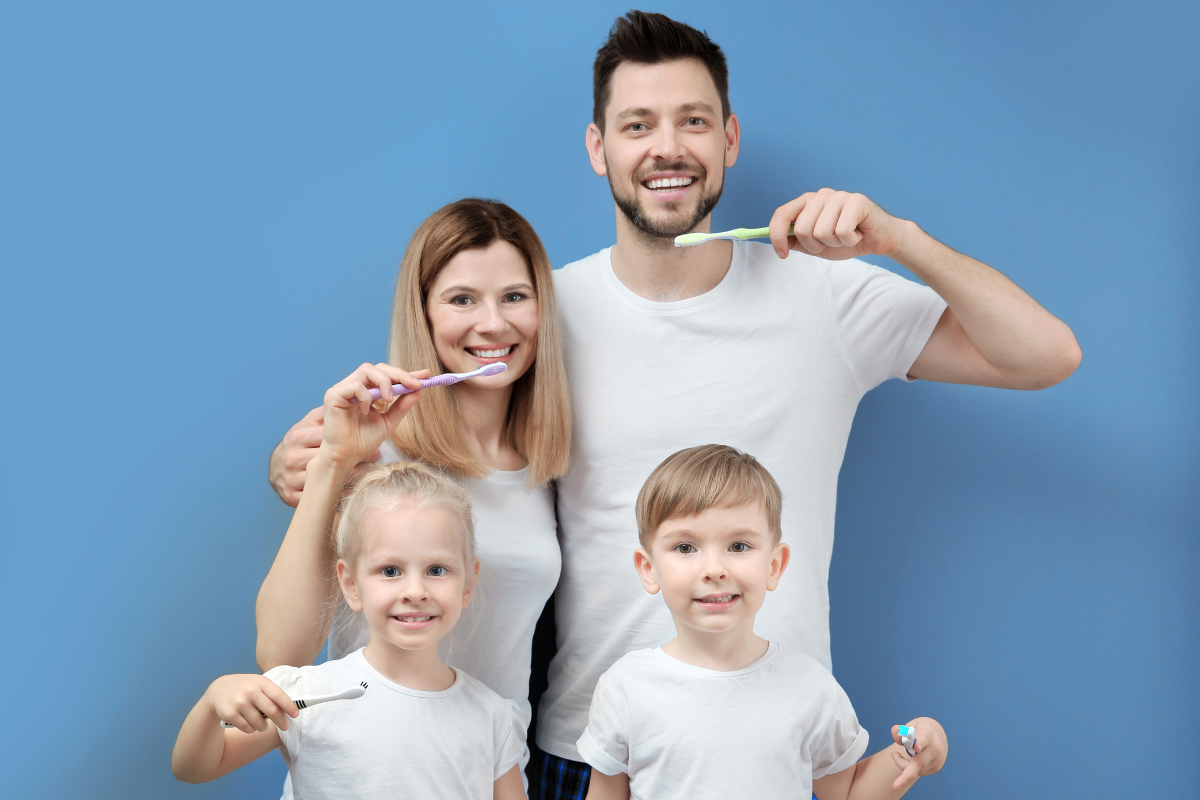
- Be a role model: Let your child see you brushing and flossing.
- Talk openly about the benefits of strong, healthy teeth and the excitement of growing up cavity-free.
- Choose a child-friendly dental practice that specializes in dental care for children and understands their unique needs.
The American Dental Practices Commitment
At American Dental Practices, we blend cutting-edge technology with compassion for a unique dental experience. Our passionate team offers everything from routine checkups to pediatric dental tips for every age, in a welcoming environment designed to make children feel comfortable and cared for.
- Comprehensive services: From preventive dental care for children to orthodontics and cosmetic dentistry.
- Patient education: We empower parents with the latest advice on kids oral hygiene and nutrition.
- Sustainability: ADP integrates eco-friendly practices, including digital records and energy-efficient equipment, ensuring a minimal ecological footprint.
Frequently Asked Questions
- Is fluoride safe for young children?
Yes, used in appropriate, tiny amounts, fluoride strengthens enamel and prevents cavities. Consult your dentist to tailor its use based on local water supply and your child’s needs. - What if my child is afraid of the dentist?
Choose a pediatric dentist experienced in creating positive experiences. Talk about the dentist as a “tooth superhero” and bring along comfort items for the first visit. - Does my child really need to see the dentist if their teeth look healthy?
Absolutely. Many early problems aren’t visible, and preventive dental care for children is far easier and less expensive than treating dental disease.
Key Takeaways for Parents
- Start early: Oral dental care for children begins before the first tooth.
- Supervise and teach: Guide brushing and flossing until children are coordinated enough to do it well on their own.
- Diet matters: Limit sugars and sticky snacks; hydrate with water.
- Don’t delay: Book the first dentist visit by age one, and maintain regular check-ups with a trusted pediatric dental clinic.
- Stay positive: Foster happy associations with dental care for children with stress-free appointments.
American Dental Practices is proud to help families raise healthy, confident children, one smile at a time. For expert advice, compassionate care, and advanced pediatric dental services, book your child’s consultation today and discover why thousands of families choose ADP for their dental journeys.