
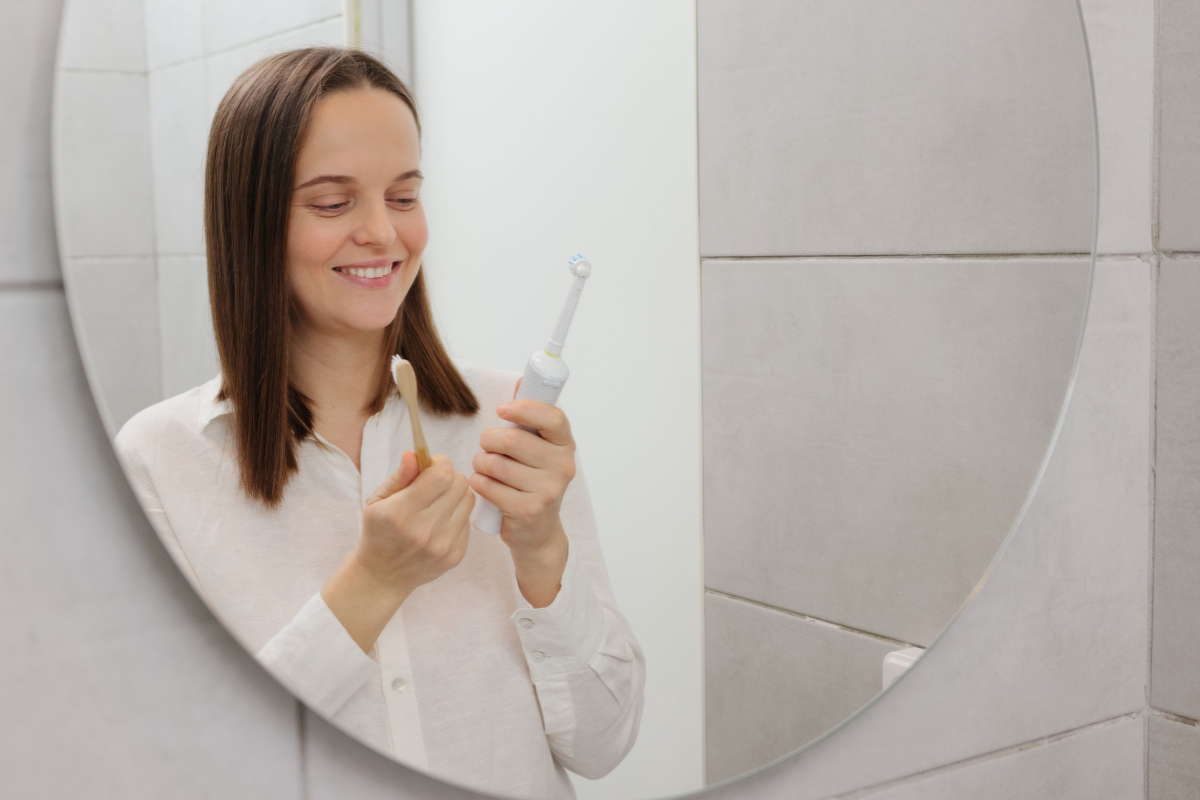
Maintaining excellent oral hygiene is more than just a routine; it’s the foundation of a healthy smile and overall well-being. One of the most common questions asked by dental patients worldwide is about choosing the best toothbrush type, electric or manual. Both options have their champions and advantages, but which is truly better for your oral health? This detailed guide compares the electric vs manual toothbrush, explores essential brushing techniques, and reviews oral hygiene tools to help you make an informed decision.
Understanding the Basics: Electric vs Manual Toothbrush
The manual toothbrush has been a trusted oral hygiene tool for centuries. It relies entirely on the user’s effort to perform effective brushing. A manual toothbrush requires proper brushing techniques, adequate time, and meticulous coverage of all tooth surfaces to remove plaque and maintain healthy gums.
Electric toothbrushes, by contrast, come equipped with powered brush heads that oscillate, rotate, or vibrate at high speeds. These motions assist in dislodging plaque more effectively and consistently compared to manual brushing. Many electric models also include helpful features like built-in timers, pressure sensors to protect gums, and smaller brush heads designed for better access to hard-to-reach areas.
Effectiveness in Plaque Removal and Gum Health
Scientific research over the years has consistently shown that electric toothbrushes can be more effective than manual ones in reducing plaque and gingivitis. The powered movement in electric toothbrushes offers superior plaque removal, especially in challenging areas like the back molars and along the gumline.
That said, a manual toothbrush can still achieve great results with the right brushing techniques and sufficient brushing time. The crux lies in how well you use the brush rather than which type you use.
Brushing Techniques: The Real Game Changer
No matter if you’re using an electric vs manual toothbrush, the importance of proper brushing techniques cannot be overstated. Consistent two-minute brushing sessions are the recommended minimum.
- For Manual Toothbrush Users: Employ the Bass or Modified Bass technique, hold the brush at a 45-degree angle to the gums and use gentle, small circular or vibratory strokes to remove plaque without harming the gum tissue. Focus on cleaning each surface of every tooth systematically.
- For Electric Toothbrush Users: Let the brush do the work. Hold the brush head against each tooth and adjacent gumline for a few seconds before moving on. Avoid scrubbing or using excessive force. Rely on built-in timers and pressure sensors available in many electric models for guidance.
Mastering these brushing techniques is often the key to superior oral hygiene, regardless of toothbrush type.
Advantages of Electric Toothbrushes
Electric toothbrushes come with several advantages that appeal to a wide range of dental patients, including:
- Consistent plaque removal: The automatic oscillation or vibration consistently disrupts plaque biofilm, reducing the risk of cavities and gum disease.
- Built-in timers: Many models have timers that ensure you brush for the dentist-recommended two minutes.
- Pressure sensors: They helps prevent over-brushing that can cause enamel wear and gum recession.
- Ease of use: Ideal for children, the elderly, or individuals with limited manual dexterity, such as arthritis sufferers.
- Smaller brush heads: More compact heads improve access to difficult-to-reach areas, including behind the back molars.
- Motivational features: Some electric brushes come with apps or feedback mechanisms that help improve brushing habits.
Advantages of Manual Toothbrushes
Despite the surge in electric toothbrush popularity, manual brushes still retain key benefits:
- Lower cost: Manual toothbrushes are widely affordable, making them accessible to almost everyone.
- Availability: Easily found everywhere without the need for charging or batteries, perfect for travel or emergencies.
- User control: Some prefer the tactile feel and full control over brushing speed and pressure.
- Variety: Available in various bristle types, sizes, and shapes to suit personal preferences and needs.
When combined with careful brushing techniques and regular dental check-ups, manual toothbrushes can be very effective oral hygiene tools.
Choosing the Best Toothbrush Type for You

The choice between an electric vs manual toothbrush should be based on several factors such as lifestyle, oral health condition, budget, and personal preferences. Here are considerations to help decide:
- If you have difficulty with brushing techniques or dexterity challenges, an electric toothbrush can simplify maintaining good oral hygiene.
- If you prefer DIY control and a more economical option, a high-quality soft-bristle manual toothbrush used with proper brushing techniques works well.
- For children or seniors, electric toothbrushes with timers and pressure sensors provide guidance and motivation.
- If travel convenience is a priority, manual toothbrushes are more practical due to no need for charging.
American Dental Practices stresses that neither toothbrush type alone guarantees oral health success; the key is brushing consistently, correctly, and pairing brushing with flossing and dental visits.
Complementary Oral Hygiene Tools
To maximise oral health, brushing, whether electric vs manual, should be just one part of your routine. Other oral hygiene tools to consider include:
- Floss: Removes plaque and food debris between teeth where a toothbrush can’t reach.
- Mouthwash: Helps reduce bacteria and freshens breath.
- Interdental brushes or water flossers: Useful alternatives or adjuncts to traditional flossing.
Selecting the right combination of oral hygiene tools tailored to your needs ensures a comprehensive cleanse and protection against oral diseases.
Expert Tips for Maintaining Healthy Smiles
- Brush twice daily for at least two minutes.
- Use a soft-bristle toothbrush to protect enamel and gums.
- Replace toothbrush or electric vs manual tooth brush heads every three months or sooner if bristles are frayed.
- Avoid aggressive brushing, which damages gum tissue.
- Schedule regular check-ups at professional dental clinics like American Dental Practices in Mumbai and Bangalore.
Why American Dental Practices Recommends Personalised Oral Care
At American Dental Practices, we believe every smile is unique. Our expert dentists help patients choose the best toothbrush type and oral hygiene tools suited to individual dental needs and lifestyle. With our commitment to innovative dental care and compassionate service, we guide patients in mastering brushing techniques that sustain optimal oral health and boost confidence.
Electric or Manual Toothbrush? What’s the Verdict?
Both electric and manual toothbrushes have their own merits in the electric vs manual toothbrush debate. Electric toothbrushes offer superior plaque control and ease of use, especially for individuals needing extra guidance or help with brushing techniques. Manual toothbrushes remain a reliable and affordable option when used properly.
The best toothbrush type is truly the one you will use correctly and consistently alongside modern oral hygiene tools and regular dental check-ups. By choosing wisely and following recommended brushing techniques, anyone can achieve a healthy, radiant smile for life.