
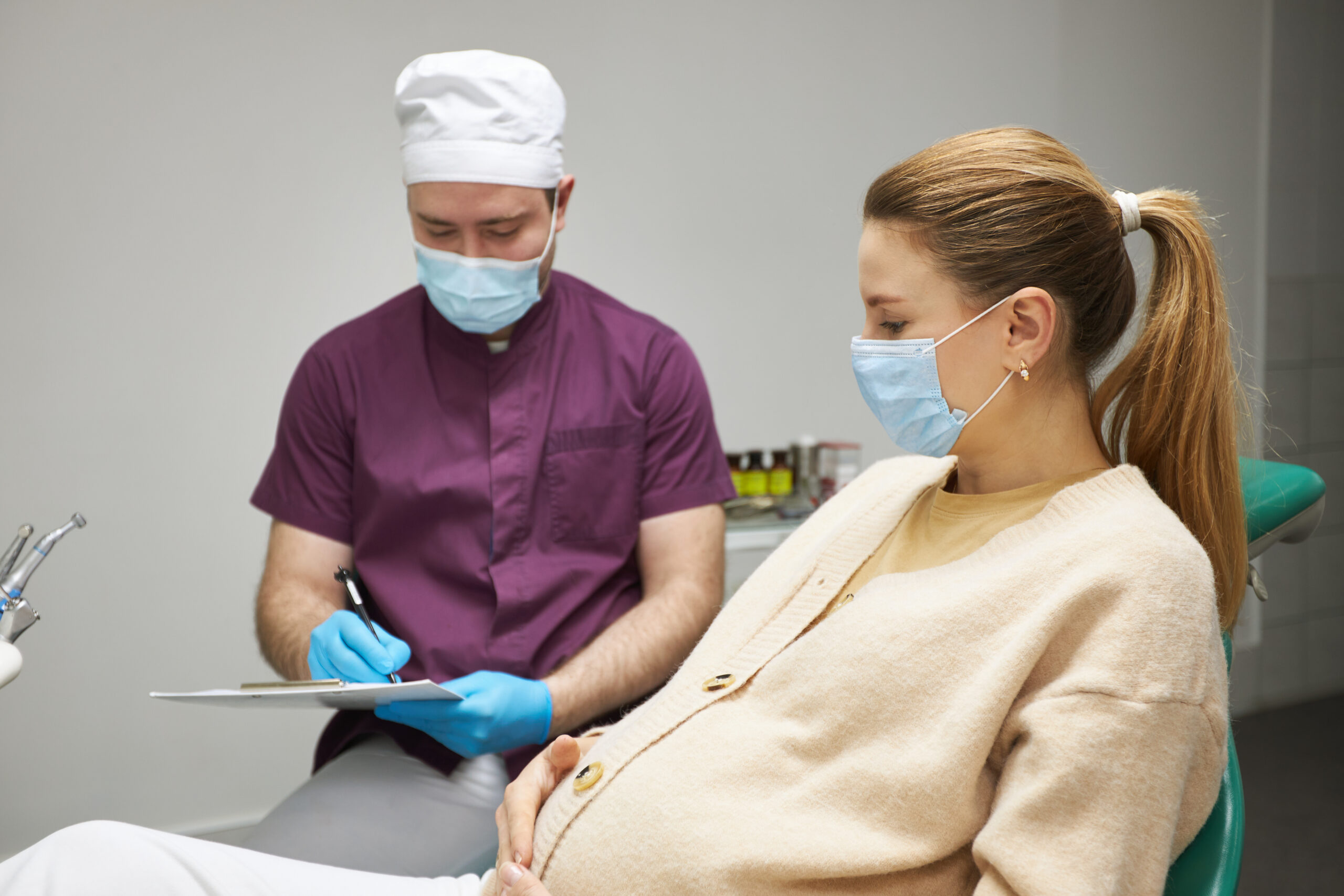
Pregnancy is a transformative journey, filled with excitement and anticipation. Amidst all the changes, maintaining good health is paramount for both mother and baby. One aspect often overlooked is dental care during pregnancy. Many expectant mothers wonder: Is it safe to visit the dentist while pregnant? The answer is a resounding yes. In fact, prioritizing oral health during pregnancy is not just safe but essential for your well-being and your baby’s development.
Why Dental Care During Pregnancy Matters
Pregnancy triggers hormonal changes that can increase the risk of dental problems, such as gum disease (pregnancy gingivitis), tooth decay, and oral infections. These issues, if left untreated, may have consequences beyond your mouth, including potential links to preterm birth and low birth weight. That’s why dental care during pregnancy should never be neglected.
Common Concerns: Is a Pregnant Dentist Visit Safe?
Many women hesitate to schedule a pregnant dentist visit due to outdated myths or fear of harming their unborn child. However, modern research and professional guidelines confirm that routine dental care including cleanings, exams, and most treatments, is safe at every stage of pregnancy when performed with appropriate precautions. Delaying necessary dental care can actually pose greater risks than the treatments themselves.
Safe Dental Procedures in Pregnancy: What’s Allowed?
Here’s what you need to know about safe dental procedures in pregnancy:
| Procedure Type | First Trimester (Weeks 1–12) | Second Trimester (Weeks 13–24) | Third Trimester (Weeks 25–40) |
| Routine Exams & Cleaning | Yes, with precautions | Yes | Early 3rd trimester: Yes. Late 3rd: Limit to urgent care |
| Fillings & Restorative | Emergencies only | Yes | Early 3rd: Yes. Late 3rd: Avoid elective |
| X-rays | Only if absolutely necessary | Only if absolutely necessary | Only if absolutely necessary |
| Elective Procedures | Postpone | Yes | Early 3rd: Yes. Late 3rd: Postpone |
- First Trimester: Focus on assessment, education, and emergency care. Avoid elective procedures and routine X-rays due to heightened fetal sensitivity during organ development.
- Second Trimester: Considered the safest period for most dental treatments, including fillings and cleanings. Organogenesis is complete, and the mother is generally more comfortable.
- Third Trimester: Early part is still safe for routine care, but as pregnancy progresses, limit dental work to emergencies to avoid discomfort and complications.

Oral Health Pregnancy Tips: How to Protect Your Smile
Adopting proactive oral health pregnancy tips can help prevent dental problems and ensure a healthy pregnancy:
- Brush and Floss Diligently: Brush with fluoride toothpaste twice daily and floss once a day to control plaque and prevent gum disease.
- Eat a Balanced Diet: Limit sugary snacks and drinks, and focus on nutrient-rich foods to support oral and overall health.
- Manage Morning Sickness: If vomiting occurs, rinse your mouth with water or a fluoride mouthwash to neutralize acids and protect enamel.
- Stay Hydrated: Drink plenty of water to stimulate saliva production, which naturally helps clean teeth.
- Schedule a Pregnant Dentist Visit: Don’t skip regular checkups. Inform your dentist about your pregnancy and any medications or supplements you’re taking, so they can tailor your care accordingly.
- Address Dental Problems Promptly: Don’t ignore toothaches, bleeding gums, or other oral symptoms. Early intervention is key.
- Coordinate with Your OB/GYN: Ensure your dental team and obstetrician communicate, especially if you require medications or procedures.
- Avoid Self-Medicating: Never take over-the-counter painkillers or antibiotics without consulting your healthcare providers
The Importance of Regular Pregnant Dentist Visits
Routine pregnant dentist visits are vital for monitoring and maintaining your oral health. Skipping dental care can lead to untreated gum disease or infections, which have been associated with pregnancy complications like preterm birth. Regular checkups allow your dentist to:
- Detect and treat problems early
- Provide personalized oral health pregnancy tips
- Ensure your comfort and safety throughout each trimester
What to Expect at Your Appointment
At American Dental Practices, our team is specially trained to provide compassionate, expert dental care during pregnancy. Here’s what you can expect:
- Thorough Assessment: We review your medical and pregnancy history to tailor your care.
- Gentle Cleanings: Our hygienists use safe techniques to remove plaque and tartar.
- Customized Treatment Plans: If additional care is needed, we work with your OB/GYN to ensure safety.
- Education: We provide practical oral health pregnancy tips to help you maintain a healthy smile at home.
When to Schedule Your Dental Care During Pregnancy
- Before Pregnancy: If possible, have a comprehensive dental exam and address any issues before conceiving.
- During Pregnancy: The optimal time for a pregnant dentist visit is the second trimester, but don’t delay needed care at any stage.
- After Pregnancy: Continue regular dental visits, as oral health remains important postpartum.
Special Considerations for Dental Care During Pregnancy
- Chair Positioning: In later pregnancy, lying flat can cause discomfort or dizziness. Our team ensures proper positioning for your safety and comfort.
- Shorter Appointments: We schedule shorter, more frequent visits if needed to minimize discomfort.
- Emergency Care: Dental emergencies (such as infections or severe pain) should never be postponed. Prompt treatment protects both mother and baby.

Myths vs. Facts: Dental Care During Pregnancy
| Myth | Fact |
| Dental work is unsafe during pregnancy | Most dental procedures are safe and recommended, especially with proper precautions |
| X-rays should never be taken during pregnancy | Necessary X-rays can be performed safely with shielding and modern equipment |
| Bleeding gums are normal and don’t need care | Bleeding gums may indicate gum disease and should be evaluated by a dentist |
| Dental treatment can wait until after delivery | Delaying care can worsen problems and affect pregnancy outcomes |
Oral Health Pregnancy Tips for Every Trimester
First Trimester:
- Focus on prevention and education
- Schedule a dental checkup to assess your oral health
- Postpone elective procedures if possible
Second Trimester:
- Safest time for most treatments, including fillings and cleanings
- Continue practicing excellent oral hygiene
Third Trimester:
- Early third trimester: routine care still safe
- Late third trimester: limit dental work to emergencies
- Prioritize comfort and safety during appointments
Why Choose American Dental Practices for Your Dental Care During Pregnancy?
At American Dental Practices, we understand the unique needs of expectant mothers. Our high-tech clinics in Mumbai and Bangalore are equipped to provide the highest standard of dental care during pregnancy. Our multidisciplinary team collaborates closely with your medical providers, ensuring every pregnant dentist visit is safe, comfortable, and effective.
Whether you need routine cleanings, guidance on oral health pregnancy tips, or urgent care, our compassionate professionals are here to support you every step of the way.
Frequently Asked Questions About Dental Care During Pregnancy
- Are dental X-rays safe during pregnancy?
Dental X-rays are generally avoided unless absolutely necessary. If required (such as for emergencies), modern digital X-rays use minimal radiation, and protective shields are used to safeguard the abdomen and thyroid.
- Can I have local anesthesia during a pregnant dentist visit?
Yes, local anesthetics like lidocaine are considered safe during pregnancy when administered in appropriate doses. Your dentist will avoid medications known to affect fetal development.
- What about antibiotics or pain relief?
Certain antibiotics (like penicillin and amoxicillin) and acetaminophen are considered safe. However, NSAIDs (like ibuprofen) and some other medications should be avoided, especially in the third trimester.
- Is it safe to have dental cleanings and fillings?
Yes. In fact, professional cleanings and treating cavities are important for preventing infections that could affect your pregnancy.