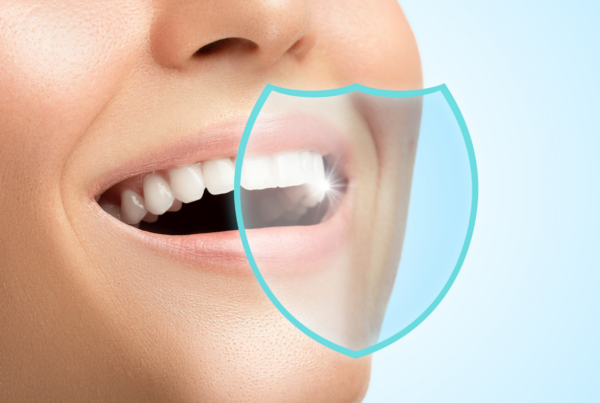


Maintaining a healthy, vibrant smile is a priority for many, and most people believe that brushing their teeth daily is enough to keep their oral health in top condition. At American Dental Practices, we often encounter patients surprised to learn they need a deep dental cleaning even though they follow rigorous home care routines. Let’s delve into why professional intervention may be necessary, what the process entails, and how it can protect your smile for the long term.
What is Deep Cleaning Teeth?
The term “deep cleaning teeth” refers to a specialized dental procedure known as scaling and root planing. Unlike regular dental cleanings, which remove surface plaque and tartar above the gum line, deep cleaning targets the areas below the gum line and the roots of the teeth. Its primary aim is to eliminate plaque, tartar, and bacterial buildup that can lead to or worsen gum disease.
Why Is This Necessary?
While brushing and flossing twice daily are foundational for oral hygiene, they are often unable to reach the periodontal pockets that form when gums pull away from teeth. These pockets can accumulate plaque and tartar in areas standard brushing simply cannot access. Over time, this invisible buildup damages the supporting tissues and bone around your teeth, increasing the risk of tooth loss.
The Deep Cleaning Process: Scaling and Root Planing
Scaling and root planing is performed in two stages, typically under local anesthesia for your comfort:
- Scaling: Removal of plaque and tartar from the depths of the periodontal pockets beneath the gum line.
- Root Planing: Smoothing out the roots of the teeth to promote healing and help gums reattach securely to tooth surfaces.
This process is recommended when gum disease is evident, particularly if pockets are deeper than 4mm, as routine cleanings cannot adequately address these areas.
Gum Disease Cleaning: Why Brushing Isn’t Always Enough
Gum disease, or periodontal disease, starts off as mild inflammation known as gingivitis but can progress to a more severe form called periodontitis if left untreated. Even the most dedicated brushers can develop gum disease, often because:
- Plaque hardens into tartar and adheres firmly to teeth and roots, becoming impossible to remove with brushing alone.
- Irregular dental check-ups delay early detection and intervention.
- Genetics, lifestyle factors such as smoking, and systemic health conditions can make some individuals more susceptible.
- Ineffective brushing or flossing techniques may leave areas untouched.
A gum disease cleaning, another term for deep cleaning, is needed when early signals of gum disease are present. If untreated, the condition can lead to severe inflammation, gum recession, bone deterioration, and tooth loss.

Signs You Need Deep Cleaning
It’s possible to need a deep cleaning even if you brush daily. Here are telltale signs you need deep cleaning:
- Bleeding Gums: Gums that bleed during brushing, flossing, or even eating.
- Chronic Bad Breath: Persistent halitosis that doesn’t resolve with regular oral hygiene routines.
- Swollen or Red Gums: Gums that are tender, puffy, or noticeably inflamed.
- Gum Recession: Appearance of longer teeth or receding gumline, indicating gums are pulling away.
- Deep Gum Pockets: Your dentist measures pocket depth and may find them deeper than 4mm.
- Loose Teeth or Shifting Bite: Gum disease can cause teeth to become unstable or move.
If these signs sound familiar, it’s crucial to consult with your dentist for a comprehensive exam.
FAQs: Everything You Need to Know
1. Is deep cleaning painful?
Scaling and root planing are usually performed with local anesthetic to minimize discomfort. Some sensitivity post-procedure is normal, subsiding quickly with proper after-care.
2. How often do I need a deep cleaning?
For patients diagnosed with periodontal disease, deep cleanings may be recommended every 3–4 months, especially for maintenance. Those with healthy gums typically only need regular professional cleanings every 6 months.
3. Can deep cleaning reverse gum disease?
While deep cleaning can halt the progression of early to moderate gum disease (gingivitis or mild periodontitis), advanced bone loss may be irreversible. However, timely intervention can save teeth and restore gum health.
4. What can I do to prevent needing deep cleaning in the future?
- Brush twice daily with the correct technique.
- Floss or use interdental brushes daily.
- Visit your dentist and hygienist regularly for professional cleanings and assessments.
- Address risk factors such as smoking, poor diet, and systemic health issues promptly.
The Role of Technology and Compassion at American Dental Practices
At American Dental Practices, we harness the latest dental technologies and a multidisciplinary approach to ensure every deep cleaning is thorough, safe, and as comfortable as possible. Our commitment to eco-friendly methods and compassionate care ensures your oral and overall health are always prioritized.
Key Takeaways
- Even daily brushers may need deep cleaning teeth procedures like scaling and root planing to remove stubborn tartar and bacteria below the gum line.
- Signs you need deep cleaning include bleeding gums, bad breath, gum recession, and deep gum pockets.
- Gum disease cleaning is vital to prevent tooth loss and protect your general health, as untreated gum disease is linked to serious systemic conditions.
- Early detection and intervention by dental professionals can spare you more extensive, costly treatments in the future.
Ready to Invest in Your Oral Health?
If you notice any signs described above or haven’t had a comprehensive dental exam in a while, schedule an appointment at American Dental Practices in Mumbai or Bangalore for a customized evaluation. A healthy, confident smile is just one professional cleaning away!