

Dental implantology has revolutionized the way missing teeth are replaced, restoring not just aesthetics, but also function, confidence and oral health. Among the many choices available today, Basal Implants vs Conventional Dental Implants remain two of the most talked-about solutions in modern dentistry. Each has unique advantages, indications and limitations, and deciding which implant is better depends on your individual dental needs, bone condition, treatment goals and lifestyle preferences.
In this guide, we’ll explore everything you need to know about Basal Implants vs Conventional Dental Implants, including the key dental implant differences, treatment timelines, benefits, risks, and more.
What Are Dental Implants?
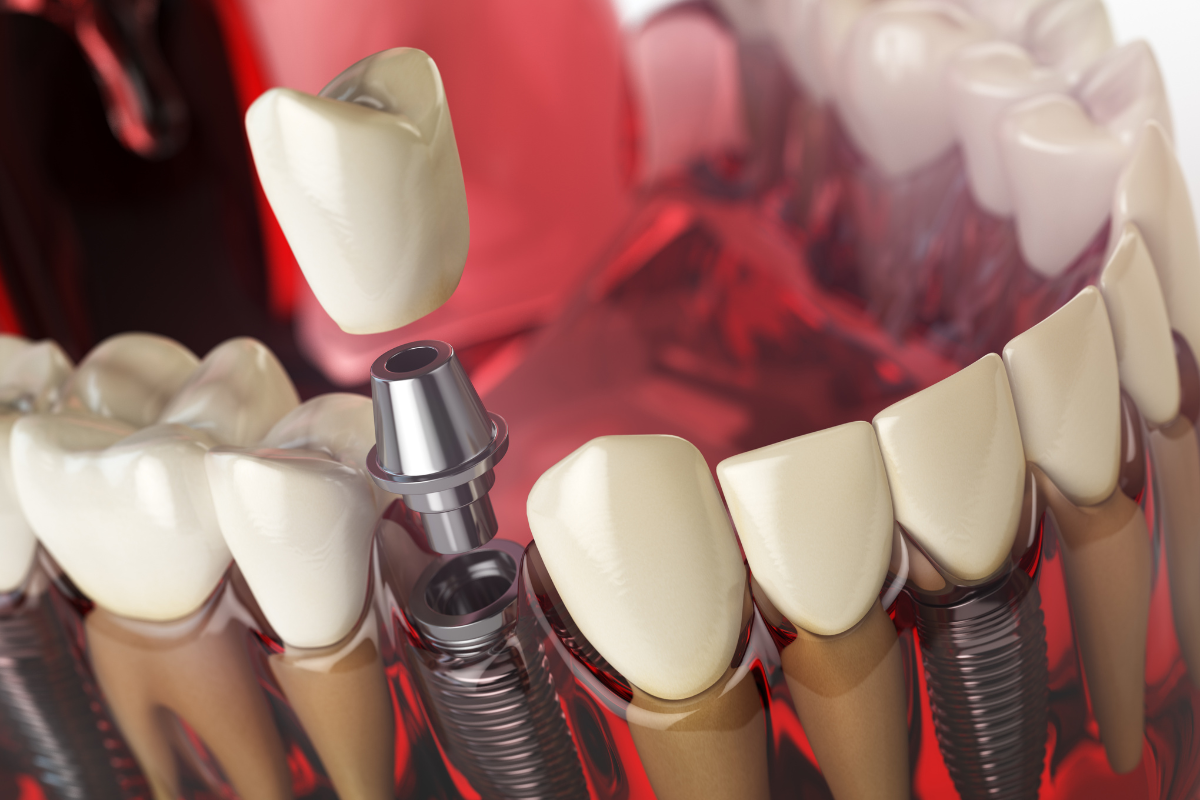
Dental implants are artificial tooth roots that support crowns, bridges or dentures. They replace missing teeth with a solution that looks, feels and functions much like natural teeth. Over the past few decades, implant dentistry has evolved significantly, giving patients reliable options for restoring smiles. Two of the main categories of implants used today are basal implants and conventional dental implants, and understanding the Basal Implants vs Conventional Dental Implants debate is critical before you make a decision.
Basal Implants Explained
Basal implants, also known as cortical implants, are specially designed to anchor into the dense, strong basal bone of the jaw. Unlike conventional systems that rely primarily on the softer alveolar bone, basal implants utilise a different biomechanical principle that allows them to engage the stable cortical bone responsible for supporting jaw structure.
A defining feature of basal implantology is the protocol of immediate loading implants, where the prosthetic teeth are placed quickly, often within just a few days of implant placement.
Key Features of Basal Implants:
- Designed for immediate loading implants, often within 72 hours of placement.
- Typically single-piece implants, the implant and abutment are fused into one unit.
- Anchor in the basal (cortical) bone, which is dense and highly resistant to resorption.
- Often no bone grafting or sinus lift procedures are needed.
- Particularly useful for patients with low bone density or significant bone loss.
Conventional Dental Implants Explained
Conventional dental implants represent the most widely used and traditional approach to implant dentistry. These implants are usually two-piece systems, a titanium screw placed into the jawbone followed by an abutment and crown once healing is complete.
These implants rely on osseointegration, a biological process in which the implant fuses with the jawbone over several months, creating a strong and long-lasting foundation for replacement teeth.
Key Features of Conventional Dental Implants
- Typically a two-stage process – placement, then healing, then final restoration.
- Require adequate bone density for successful placement; if not available, grafting may be required.
- Healing and integration can take 3-6 months or more.
- Have a long track record of success with decades of clinical data.
Basal Implants vs Conventional Dental Implants
Below is a detailed comparison to help you understand the dental implant differences between basal implants and conventional dental implants:
| Feature | Basal Implants | Conventional Dental Implants |
| Bone Used | Basal (cortical) bone | Crestal (alveolar) bone |
| Treatment Stages | One-stage, often immediate loading | Multi-stage (implant + healing) |
| Loading Time | Immediate Loading Implants (within days) | Delayed loading (months) |
| Bone Grafting | Rarely needed | Often required if bone is insufficient |
| Healing Duration | Shorter overall | Longer (3-6 months or more) |
| Implant Design | Usually single-piece | Usually two-piece |
| Suitability for Bone Loss | Excellent | Limited without grafting |
| Surgical Complexity | Requires skilled expertise | Widely practiced |
Treatment Time and Recovery
One of the most visible dental implant differences lies in the treatment timeline:
Basal Implants
- This method enables immediate loading implants, meaning temporary or final prosthetic teeth can be placed within a short timeframe, often within 72 hours after surgery.
- This significantly reduces the overall treatment time.
- Ideal for patients who want faster restoration of function and aesthetics.
Conventional Dental Implants
- Require a healing period that facilitates osseointegration, usually 3-6 months.
- Only after this healing phase can the abutment and crown be placed.
- This makes them a longer, more traditional implant pathway, but one with decades of proven success.
Which Implant Is Better?
The million-dollar question: Which implant is better? The truth is, there’s no one-size-fits-all answer. It depends on your specific dental condition, goals, and anatomy. Here’s how to decide:
Basal Implants Might Be Better If:
- You have significant bone loss or low bone density.
- You want immediate function and aesthetic results.
- You want to avoid bone grafting or sinus lifts.
- You are seeking a shorter treatment timeline with immediate loading implants.
Conventional Dental Implants Might Be Better If:
- You have good bone quality and volume.
- Long-term clinical data and decades of success are important to you.
- You are willing to wait for osseointegration before final restoration.
- A two-stage process with high predictability is acceptable.
Both options deliver excellent outcomes when planned and placed by an experienced implantologist. The goal is to match your oral health needs with the most suitable implant protocol available.

Understanding Immediate Loading Implants
Immediate loading implants, often associated with basal implantology, refer to placing the prosthetic tooth on the implant immediately or within a short period after implant insertion. While this approach saves time and gets you a functional tooth quickly, it requires:
- Stable primary implant fixation
- Absence of active infection
- Good overall oral hygiene
This protocol can be highly effective and satisfying for many patients, but it’s essential that your dentist evaluates your bone structure and oral health carefully before recommending it.
Final Thoughts
Deciding between Basal Implants vs Conventional Dental Implants isn’t just about speed or technology. It is about what will give you the best long-term function, aesthetics and peace of mind. Both implant types have strong points:
- Basal implants offer swift rehabilitation with minimal bone requirements and immediate loading implants.
- Conventional dental implants have a proven track record, extensive clinical data and excellent long-term success when conditions are favorable.
At American Dental Practices, we prioritise personalised treatment plans based on:
- Your bone quality and anatomy
- Your smile goals
- Oral and systemic health status
- Budget and timeline preferences
If you’re exploring which implant is better for your smile, schedule a consultation with our expert implantologists today. We’ll guide you through every step, from digital diagnosis to final restoration, ensuring your dental implant experience is comfortable, informed and life-changing. Book your dental implant consultation with American Dental Practices and find out whether basal or conventional dental implants are right for you, backed by science, experience and personalised care.