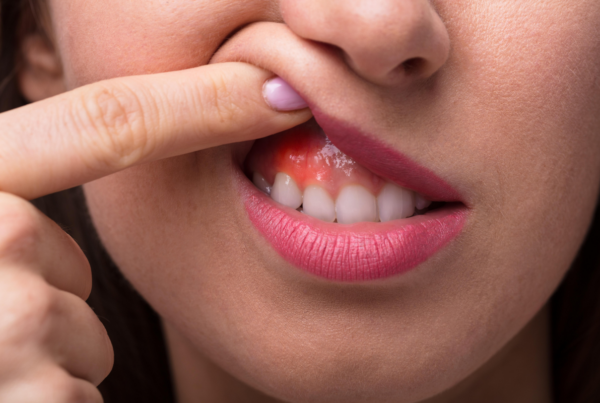


Mouth ulcers are a common oral health concern, affecting people of all ages globally. These painful lesions can cause discomfort while eating, drinking, or even speaking, and often leave many wondering about their origin and effective treatment options. At American Dental Practices, high-quality care and patient-first solutions are at the core of our mission, and we believe in empowering everyone with comprehensive oral health knowledge. Read on for everything you need to know about mouth ulcers, what causes them, how to identify and treat them, and the best remedies to find relief.
What Are Mouth Ulcers?
Mouth ulcers, also known as oral sores or canker sores, are small, painful lesions that develop in the mouth, often on the inner cheek, lips, tongue, or gum line. Unlike cold sores, which appear on the lips due to herpes simplex virus infection, canker sores are not contagious and tend to develop inside the mouth.
Mouth ulcers are common and usually harmless, resolving within one to two weeks without extensive medical intervention. However, recurring or particularly painful ulcers may indicate underlying health issues requiring professional dental evaluation.
Types of Oral Sores
- Minor ulcers: The most common type, less than 1 cm in diameter, heal naturally within 7-14 days.
- Major ulcers: Larger and deeper, sometimes leaving scars and taking several weeks to heal.
- Herpetiform ulcers: Multiple pinhead-sized sores that might merge to form larger ulcers.
Identifying the type of oral sores can help in understanding the treatment trajectory and potential underlying causes.
Ulcer Causes in Mouth: Why Do Mouth Ulcers Happen?
Discovering the ulcer causes in mouth is vital for effective prevention and treatment. Several factors are commonly responsible for oral sores:
- Mechanical trauma: Biting the inside of the cheek, abrasions from braces or sharp teeth, or injury from eating hard foods can all trigger ulcers.
- Nutritional deficiencies: Low levels of vitamin B12, iron, folic acid, and zinc increase risk.
- Hormonal changes: Fluctuations during menstruation or pregnancy can induce ulcers.
- Stress and fatigue: Mental stress weakens immunity, making oral sores more likely.
- Food sensitivities: Acidic foods (citrus, pineapple, tomatoes), spicy foods, and certain chocolates have been linked to ulcer causes in mouth in susceptible individuals.
- Underlying medical conditions: Conditions like celiac disease, Crohn’s disease, Behcet’s syndrome, and immune disorders sometimes manifest as recurring mouth ulcers.
- Medications: Side effects of NSAIDs, beta-blockers, or chemotherapy agents can include oral sores.
- Genetic predisposition: Family history can also play a role.
Symptoms: How to Recognize Mouth Ulcers
While most people recognize the sting of an oral sore, symptoms may include:
- A painful, round or oval sore, usually white, yellow, or greyish in color, with a red border
- Swelling or tenderness around the sore
- Discomfort when eating, drinking, brushing, or talking
- Difficulty swallowing (in severe cases)
If a mouth ulcer lasts longer than three weeks, is unusually large or painful, or is accompanied by fever and swollen lymph nodes, consult your dentist or doctor promptly.
Mouth Ulcer Treatment: Best Practices
While most ulcers heal on their own, effective mouth ulcer treatment can speed recovery and reduce discomfort. At American Dental Practices, personalized care and innovative treatment approaches are a hallmark, ensuring optimal patient outcomes.
Home Care Tips for Oral Sores
- Saltwater rinses: Dissolve one teaspoon of salt in warm water and swish around the mouth for 30 seconds, several times a day.
- Baking soda rinse: Mix baking soda with water to help neutralize acids and soothe the sore.
- Topical preparations: Over-the-counter gels or ointments containing benzocaine or hydrogen peroxide can reduce pain and promote healing.
- Cold compress: Applying an ice cube directly to the ulcer provides temporary pain relief.

Professional Mouth Ulcer Treatment
If home remedies don’t offer sufficient relief, dental professionals may recommend:
- Specialized mouth rinses: Antimicrobial or steroid mouthwashes to reduce inflammation.
- Prescription ointments: More potent topical corticosteroids can accelerate healing for major or persistent ulcers.
- Nutritional supplements: Addressing deficiencies in vitamin B12, iron, folic acid, and zinc.
- Laser treatment: In challenging cases, dental lasers can promote faster healing and alleviate pain.
Professional evaluation is important when ulcers are chronic, recurrent, or unusually severe.
Canker Sore Remedy: Tried and Tested Solutions
Canker sores are a specific type of oral sore affecting millions worldwide. Here are some effective canker sore remedy options:
- Milk of magnesia dab: Apply directly to the sore to protect and relieve pain.
- Honey application: Known for its antibacterial and wound-healing properties.
- Aloe vera gel: Natural and soothing, aloe can help speed healing.
- Avoiding irritating foods: Steer clear of acidic, spicy, or very hot foods and drinks for quicker recovery.
Maintaining oral hygiene with a soft-bristled toothbrush and gentle brushing technique is vital to prevent further irritation.
Preventing Oral Sores: Proactive Strategies
Prevention is always better than cure. Here’s how to minimize the risk of developing oral sores and mouth ulcers:
- Follow a balanced diet: Ensure sufficient intake of B vitamins, iron, and folic acid.
- Reduce stress: Adopt mindfulness techniques, meditation, or yoga for overall well-being.
- Gentle oral care: Use a soft toothbrush, avoid vigorous brushing, and opt for mild toothpastes free of sodium lauryl sulfate (SLS).
- Stay hydrated: Water helps maintain optimal oral health.
- Protect oral tissues: Wear a mouthguard if playing sports or if dental appliances cause friction.
- Regular dental check-ups: Timely dental visits help monitor and address potential triggers for oral sores.
When to Consult a Dentist
While most mouth ulcers resolve on their own, consider an expert evaluation at American Dental Practices if:
- Oral sores are extremely painful, persistent, or recurring frequently
- Ulcers last longer than three weeks
- Associated symptoms include fever, difficulty swallowing, or unexplained weight loss
- There are white patches, hard lumps, or changes in the lining of the mouth that don’t heal
Early detection can rule out other conditions like oral infections, immune system disorders, or even oral cancer.
Smile Bright with Expert Mouth Ulcer Treatment
Mouth ulcers may be a common nuisance, but understanding their causes, treatment options, and prevention strategies empowers patients to minimize discomfort and enjoy brighter, healthier smiles. Whether seeking a canker sore remedy, professional evaluation for persistent oral sores, or guidance on ulcer causes in mouth, American Dental Practices brings innovative solutions and compassionate expertise to every patient journey.
If mouth ulcers are affecting quality of life, don’t wait, book an appointment at American Dental Practices in Mumbai or Bangalore for personalized mouth ulcer treatment and holistic oral care.
Frequently Asked Questions
- Are mouth ulcers contagious?
No, mouth ulcers (canker sores) are not contagious and cannot be spread through kissing, sharing utensils, or close contact. - Can mouth ulcers be prevented?
Yes, in many cases, ulcers can be prevented by managing stress, eating a nutrient-rich diet, practicing good oral hygiene, and avoiding known triggers. - What should be avoided during a mouth ulcer outbreak?
Skip acidic, spicy, or rough foods. Avoid chewing gum, and brush gently using a soft-bristle toothbrush.
- When should persistent oral sores be evaluated?
If ulcers last longer than three weeks, recur frequently, or are accompanied by worrisome symptoms (such as difficulty swallowing, weight loss, or white patches), a dental consult is essential for further investigation.