

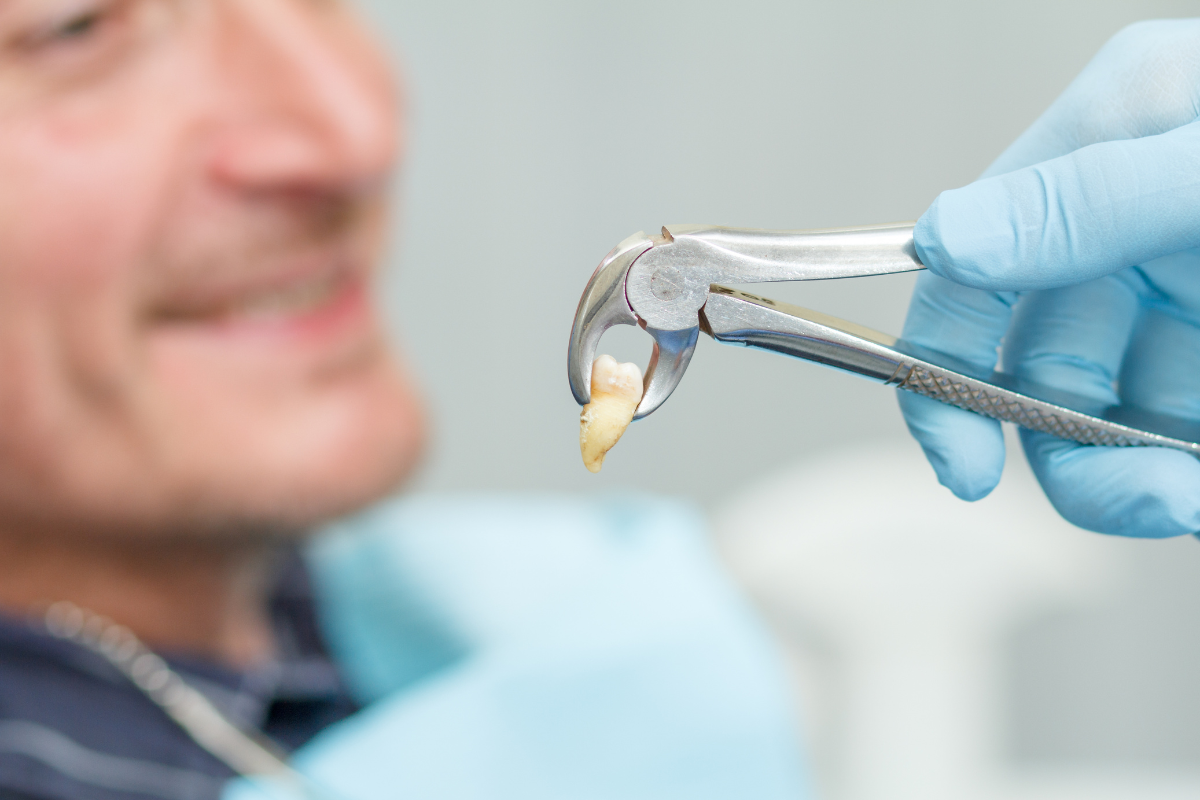
You’ve just had a tooth removed. The dentist sent you home with aftercare instructions, and for the first day or two, things felt roughly as expected — some soreness, a little swelling, the faint taste of blood. Normal.
But now it’s day three or four, and something feels off. The pain isn’t fading — it’s getting worse. Or you’re noticing a smell you can’t explain. Or the socket just doesn’t look right and you’re not sure whether what you’re seeing is part of normal tooth extraction healing or the beginning of a problem.
The distinction between normal vs dry socket vs actual infection matters enormously — because each requires a different response, and ignoring the wrong one can turn a straightforward extraction into a much more serious situation.
What Does Normal Healing Look Like After a Tooth Extraction?
Understanding what’s normal is the foundation of everything else. The tooth extraction healing stages follow a fairly predictable pattern:
- Day 1: Active bleeding slows and stops as a blood clot forms in the socket. This clot is critical — it is the biological scaffold on which healing is built. Mild to moderate pain and swelling are completely expected
- Days 2–3: Swelling typically peaks and then begins to subside. Pain should be manageable with prescribed or OTC medication and gradually improving, not worsening
- Days 4–7: The clot begins to be replaced by granulation tissue. The socket may appear whitish or yellowish at this stage — this is not a sign of infection; it is normal fibrin tissue formation
- Week 2 onwards: Soft tissue closes progressively over the socket. Mild sensitivity may persist but significant pain should be gone
The key word in normal healing is improving. Every day should feel slightly better than the last. The moment pain plateaus or begins to intensify after day 3, pay attention.
| 📌 The white stuff in the socket: A whitish layer visible in the socket after a few days is nearly always normal fibrin/granulation tissue — not pus. Pus has a thicker, creamy consistency and is accompanied by significant pain, swelling, and often fever. If you’re unsure, your dentist can tell immediately. |
What Is Dry Socket — and How Is It Different From Infection?
Dry socket (alveolar osteitis) is the most common complication after tooth extraction, occurring in approximately 2–5% of all extractions and up to 30% of wisdom tooth removals. It is not an infection — though it is frequently mistaken for one. Understanding the normal vs dry socket difference is crucial.
Dry socket occurs when the blood clot that forms in the socket after extraction is either dislodged or dissolves prematurely — leaving the underlying bone and nerve endings directly exposed to air, food, and bacteria.
Dry Socket Symptoms
- Intensifying pain starting day 2–4 — often described as a deep, radiating ache that spreads to the jaw, ear, or temple
- Visible empty socket — you can see bone inside the socket rather than a dark blood clot or tissue
- Bad breath or foul taste — from food debris and bacterial activity in the exposed socket, not from active infection
- Pain not adequately controlled by standard painkillers
- No fever, no pus, no significant additional swelling — these are the absence signs that distinguish dry socket from infection
What Causes Dry Socket?
- Smoking or tobacco use within 48–72 hours of extraction (the suction motion dislodges the clot)
- Drinking through a straw in the days following extraction
- Vigorous rinsing or spitting too soon after the procedure
- Oral contraceptive use — oestrogen can interfere with normal clotting
- Pre-existing infection at the extraction site
- Traumatic or complex extractions, particularly impacted wisdom teeth

Signs of Infection After Tooth Extraction: What to Watch For
Tooth extraction infection symptoms are distinct from dry socket — though both can cause pain, the pattern and accompanying signs are different. An infected extraction socket typically presents with:
- Worsening pain and swelling that spreads beyond the socket, sometimes involving the jaw, cheek, or neck
- Pus or discharge — thick, creamy fluid visible at or near the extraction site
- Fever — a temperature above 38°C is a red flag that infection has taken hold
- Foul taste or smell that is more intense and persistent than the mild odour associated with dry socket
- Difficulty opening the mouth (trismus) or swallowing — indicating spread of infection to adjacent tissues
- Swollen lymph nodes in the neck or jaw area
- General feeling of being unwell — fatigue, chills, or malaise alongside local symptoms
Dental infections can spread rapidly. If you experience fever, spreading swelling, or difficulty breathing or swallowing, this constitutes a dental emergency and requires immediate attention — not a wait-and-see approach.
Normal Healing vs Dry Socket vs Infection: At a Glance
| Sign | Normal Healing | Dry Socket | Infection |
|---|---|---|---|
| Pain trend | Improving daily | Worsening after day 2–3 | Worsening + spreading |
| Socket appearance | Clot → white tissue | Empty, exposed bone visible | Pus, swelling, redness |
| Smell / taste | Mild, temporary | Foul but no pus | Strong, persistent foul |
| Fever | None | None | Often present |
| Swelling | Peaks day 2–3, then fades | Minimal | Spreading, worsening |
| Response needed | Home aftercare | Dentist within 1–2 days | Urgent dental visit |
How Is Dry Socket Treated?
Dry socket treatment is a straightforward in-chair procedure that brings rapid relief. Your dentist will:
- Gently irrigate the socket to remove food debris and bacteria
- Pack the socket with a medicated dressing — typically containing eugenol (the same compound found in cloves) — which immediately soothes the exposed bone
- Prescribe appropriate pain relief for the days between dressing changes
- Schedule review appointments every 1–3 days until healing is established
Most patients experience significant pain relief within hours of the first dressing. How long does dry socket last? With proper treatment, symptoms typically resolve within 7–10 days as granulation tissue re-establishes over the bone.
For infected sockets, treatment additionally involves antibiotics (oral or IV depending on severity), drainage of any abscess, and close monitoring. Severe infections may require hospital management.
Tooth Extraction Aftercare: Preventing Problems From the Start
The best approach to both dry socket and infection is prevention. The first 72 hours after extraction are the most critical window for tooth extraction aftercare:
- Do not smoke for at least 72 hours — ideally a full week
- Avoid straws, spitting, and vigorous rinsing for the first 24 hours
- After 24 hours, gently rinse with warm salt water after meals — 4–5 times daily
- Eat soft foods on the opposite side of the extraction for the first few days
- Take prescribed medications as directed — completing the full antibiotic course if one is prescribed
- Sleep with your head slightly elevated to reduce swelling
- Avoid alcohol and hot drinks for the first 24 hours
If your extraction was related to a tooth pain or decay issue that had been building for a while, the risk of post-extraction infection is slightly higher — your dentist may prescribe preventive antibiotics in such cases.
Once healing is complete, you may want to discuss tooth replacement options. Dental implants are the gold standard for replacing an extracted tooth, while dental bridges offer an effective fixed alternative depending on your clinical situation.
When to Call Your Dentist Immediately
🚨 Go back to your dentist without delay if you notice:
None of these are ‘wait and see’ situations. Early intervention is always simpler and safer than managing a complication that has been allowed to progress. |
The Bottom Line
| Knowing the difference between normal vs dry socket vs infection gives you the confidence to manage your recovery correctly and the clarity to seek help when it’s actually needed. Normal healing improves every day. Dry socket brings escalating pain with no fever. Infection brings fever, swelling, and pus — and needs prompt professional care.
When in doubt, call your dentist. A two-minute phone call is always worth it. |
Had a recent extraction and something doesn’t feel right? Contact American Dental Practices in Mumbai or Bangalore immediately. Our team can assess your socket, identify whether you have dry socket or infection, and provide the right treatment to get your recovery back on track — often with same-day appointments for post-extraction concerns.