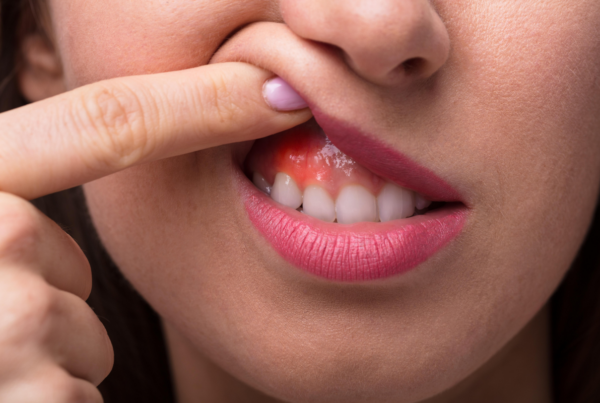

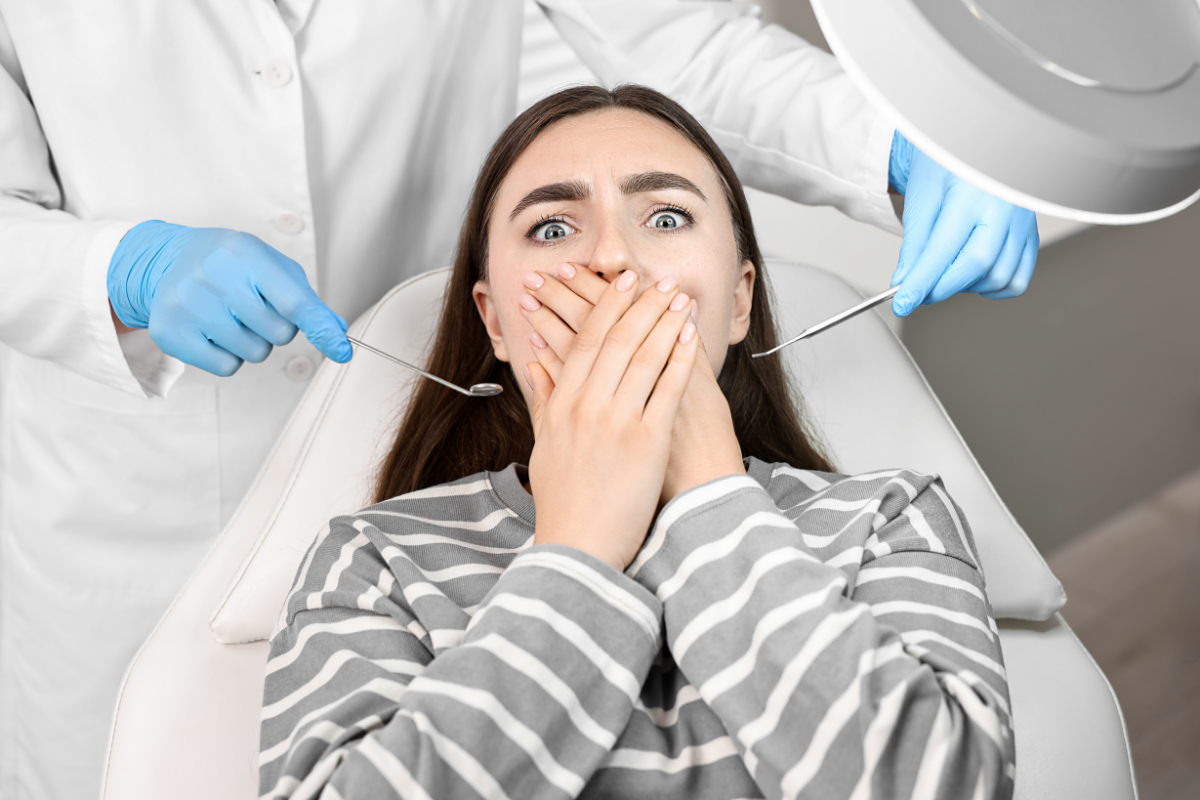
Dental anxiety is a common issue that prevents many people from visiting the dentist regularly. The fear of dental procedures, discomfort, or even the clinical environment can trigger intense stress. If you have been postponing your dental visits due to fear, you are not alone. Let’s explore effective strategies to overcome dental anxiety, reduce dentist fear, and share dental anxiety tips on how to relax at the dentist and have a stress-free visit. American Dental Practices, with its compassionate approach and patient-centered care, is committed to helping you overcome your fears and feel comfortable at your next appointment.
Understanding Dental Anxiety and Dentist Fear
Dental anxiety is an emotional response ranging from mild nervousness to overwhelming dread related to dental visits. It often stems from previous painful experiences, fear of needles, drills, or the unknown nature of treatments. Dentist fear can be so intense that it keeps people from getting timely care, which can worsen oral health over time. Recognizing that dental anxiety is a real and common problem is the first step toward overcoming it.
Unlike severe dentophobia, which is an extreme phobia causing complete avoidance of dental treatment, dental anxiety is more manageable with the right mindset and strategies. The goal of overcoming fear of the dentist is not to eliminate concern but to reduce it to a level where it no longer prevents you from maintaining good oral health. At American Dental Practices, expert teams understand this and provide tailored care to ease your dental anxiety.
Dental Anxiety Tips for Preparation Before Your Visit
One of the best dental anxiety tips is preparing well before your appointment. Preparation can help shift your mindset from fear to readiness:
- Research and choose a dental clinic known for gentle and compassionate care, like American Dental Practices, that specializes in managing patient anxiety.
- Schedule your appointment at a time of day when you feel most relaxed and have the least amount of external stress, such as early morning.
- Share your fears and concerns openly with your dentist beforehand. Communication helps build trust and allows the dentist to customize the treatment approach.
- Bring a trusted friend or family member to accompany you for moral support.
- Practice relaxation techniques such as deep breathing, meditation, or progressive muscle relaxation starting days before your visit to condition yourself for calmness.
How to Relax at the Dentist During Your Appointment
Overcoming fear of the dentist also means learning how to relax in the dental chair during treatment. Here are effective dental anxiety tips for in-chair relaxation:
- Use deep breathing exercises: Take slow, deep breaths through your nose and exhale slowly through your mouth. Techniques like the 4-7-8 method help activate your parasympathetic nervous system to lower stress.
- Listen to calming music or guided meditation through headphones to distract yourself from dental sounds and focus your mind.
- Use visualization or guided imagery by imagining a peaceful location, like a beach or forest, to shift your attention from the procedure to something relaxing.
- Request breaks during the procedure by agreeing on a signal with your dentist, such as raising your hand, to pause treatment if you feel overwhelmed.
- Consider progressive muscle relaxation by tensing and relaxing muscle groups before and during the visit to reduce physical and mental tension.
- Practice positive self-talk and remind yourself that the procedure is temporary and for your long-term health benefits.
Techniques and Treatments to Overcome Dental Anxiety
At American Dental Practices, modern dentistry offers innovative solutions beyond traditional care to help you overcome dental anxiety, including:
- Sedation Dentistry: Options like nitrous oxide (laughing gas), oral sedatives, or conscious sedation help calm nerves and minimize discomfort during appointments. This is particularly helpful for patients with high dental fear.
- Cognitive Behavioral Therapy (CBT): Psychological interventions such as CBT can retrain your brain to reduce dental anxiety by addressing negative thoughts and reinforcing positive experiences.
- Hypnotherapy: Guided relaxation and hypnosis have been shown to help patients enter a calm state, reducing anxiety before and during dental care.
- Distraction techniques: Devices such as stress balls, smartphones with videos, or music players can keep your mind engaged.
- Gradual Exposure: Starting with simple cleanings and progressing to more involved procedures, one step at a time, builds confidence and reduces fear.
Open Dialogue: American Dental Practices encourage patients to express their dental fears and create a customized treatment plan tailored to their comfort level and needs.

Lifestyle Changes and Self-Care to Support Anxiety Reduction
Adopting supportive lifestyle habits can influence your overall anxiety levels, making dental visits easier to face:
- Avoid caffeine and other stimulants before appointments, as they can heighten anxiety.
- Maintain a regular sleep schedule to ensure you are well-rested and more resilient to stress.
- Exercise regularly to release endorphins and reduce baseline anxiety.
- Eat nutritious meals to keep energy levels steady and avoid irritability.
- Practice daily mindfulness or meditation to increase your capacity for relaxation.
- Reward yourself post-appointment with a treat or activity you enjoy as positive reinforcement for overcoming fear.
Conclusion
By applying these effective dental anxiety tips and partnering with a supportive dental team like American Dental Practices, you can overcome dental anxiety and dentist fear, and approach your next dental visit with confidence and calm. Remember, your oral health is a vital part of your overall well-being, and no fear should keep you from the smile you deserve. Book your appointment today and experience dental care designed to help you relax and thrive.