
You’ve been waking up with jaw stiffness. There’s a click when you open your mouth too wide. A dull ache behind your ears by midday. Someone online suggested jaw exercises — and now you’re wondering: will they help, or could they actually make things worse?
It’s a genuinely important question. The answer depends entirely on which exercises you’re doing, when you’re doing them, and whether what you’re experiencing is muscular tension or a structural TMJ problem. Done correctly, jaw exercises are a clinically recommended tool for managing temporomandibular joint disorder. Done incorrectly, they can aggravate an already inflamed joint and prolong recovery significantly.
This guide separates what helps from what harms — with the clinical context dentists and orofacial specialists actually use when advising patients.
What Is the TMJ and Why Does It Get Painful?
The temporomandibular joint (TMJ) is the hinge joint connecting your lower jaw (mandible) to the temporal bone of the skull — just in front of each ear. It is one of the most complex joints in the body, enabling the simultaneous hinge and sliding movement required for chewing, speaking, and yawning.
TMJ disorder (also called TMD) refers to a group of conditions affecting this joint, the surrounding muscles, and the disc that sits between the joint surfaces. It is remarkably common — estimates suggest that up to 30% of adults experience TMJ symptoms at some point in their lives, with women more frequently affected than men.
The most common causes and contributors include:
- Bruxism (teeth grinding or clenching): The most frequent driver of jaw muscle pain and TMJ overload — particularly nocturnal grinding that the patient is unaware of. This is directly linked to the cheek biting and jaw tension patterns many patients also develop under stress
- Muscle tension from stress: Sustained jaw clenching during the day — at a desk, during commutes, or while concentrating — creates chronic overuse of the masseter and pterygoid muscles
- Disc displacement: The cartilage disc within the joint shifts from its correct position, causing clicking, locking, or limited opening
- Dental occlusion issues: Misaligned teeth or a bite that doesn’t close evenly places asymmetric load on one or both joints — something invisible braces can address when malocclusion is the root cause
- Trauma or injury: A blow to the jaw, whiplash, or prolonged mouth opening (during a long dental procedure) can injure the joint or surrounding tissue
- Arthritis: Osteoarthritis and rheumatoid arthritis can affect the TMJ, particularly in older patients
TMJ Symptoms: How to Know If You Have It
Recognising TMJ symptoms matters because the appropriate exercises depend on what’s actually happening in the joint:
- Pain or tenderness in front of the ear, in the jaw joint, jaw muscles, or temples
- Clicking, popping, or grating sounds when opening or closing the mouth
- Limited mouth opening — difficulty opening wide without pain or stiffness
- Jaw locking — momentary inability to open or close the mouth fully
- Earache, headache, or neck pain without a clear ear or neurological cause
- Facial fatigue, especially on waking or after eating
- A change in how your teeth fit together — the bite feeling ‘off’
Several of these symptoms overlap with other conditions — including burning mouth syndrome, which can produce orofacial pain and jaw tension that mimics TMD. A proper diagnosis from a specialist in orofacial pain is the baseline from which any exercise plan should begin.
Can Jaw Exercises Cause TMJ Problems?
Yes — but only specific types, in specific circumstances. The exercises most likely to aggravate TMJ are those that:
- Force the jaw open beyond its comfortable range: Aggressive stretching or ‘yawning exercises’ during an acute inflammatory phase stretch already irritated ligaments and can worsen disc displacement
- Create resistance against the joint: Heavy jaw resistance training (pushing hard against a closed fist, for example) loads an inflamed joint with additional compressive force — counterproductive when the disc is already irritated
- Involve chewing hard or tough foods as ‘exercise’: Some misguided advice suggests chewing gum or hard foods to ‘strengthen’ the jaw — this dramatically increases joint load and worsens TMJ symptoms in most patients
- Are done during acute pain flares: Any exercise performed while the joint is actively inflamed risks extending the inflammatory phase. Rest — not exercise — is indicated during acute TMJ flares
The exercises that help TMJ are gentle, specific, and designed to restore normal movement patterns and reduce muscular tension — not to strengthen or stretch aggressively.
| 📌 Key principle: Jaw exercises for TMJ should never cause pain during or after the exercise. If they do, you are either doing the wrong exercise, performing it incorrectly, or exercising during an acute phase when rest is needed. |
Jaw Exercises That Dentists Actually Recommend
The following TMJ exercises are supported by clinical evidence and recommended by orofacial specialists for most patients with muscular TMJ pain. They focus on reducing tension, restoring normal range of motion, and retraining correct jaw positioning.
1. Relaxed Jaw Posture Training
The most fundamental intervention — and the one most patients skip. The correct resting jaw position is: lips gently closed, teeth slightly apart (not touching), tongue resting lightly on the roof of the mouth just behind the upper front teeth. Many TMJ patients unknowingly clench their teeth throughout the day.
- How: Set a phone reminder every 30–60 minutes. Check your jaw position. If teeth are touching, consciously relax the jaw muscles and separate the teeth
- When: All day, every day — this is a habit correction, not a timed exercise
2. Controlled Mouth Opening
This jaw exercise trains the jaw to open straight rather than deviating to one side — a deviation pattern common in disc displacement.
- How: Place the tip of your tongue on the roof of the mouth (just behind the upper front teeth). Slowly open your mouth as far as comfortable without pain. Hold for 3 seconds. Close slowly. Repeat 6–10 times, twice daily
- Purpose: Encourages bilateral muscle activation and corrects tracking deviation
3. Chin Tuck and Jaw Stretch
Reduces forward head posture — a major contributor to jaw muscle overload.
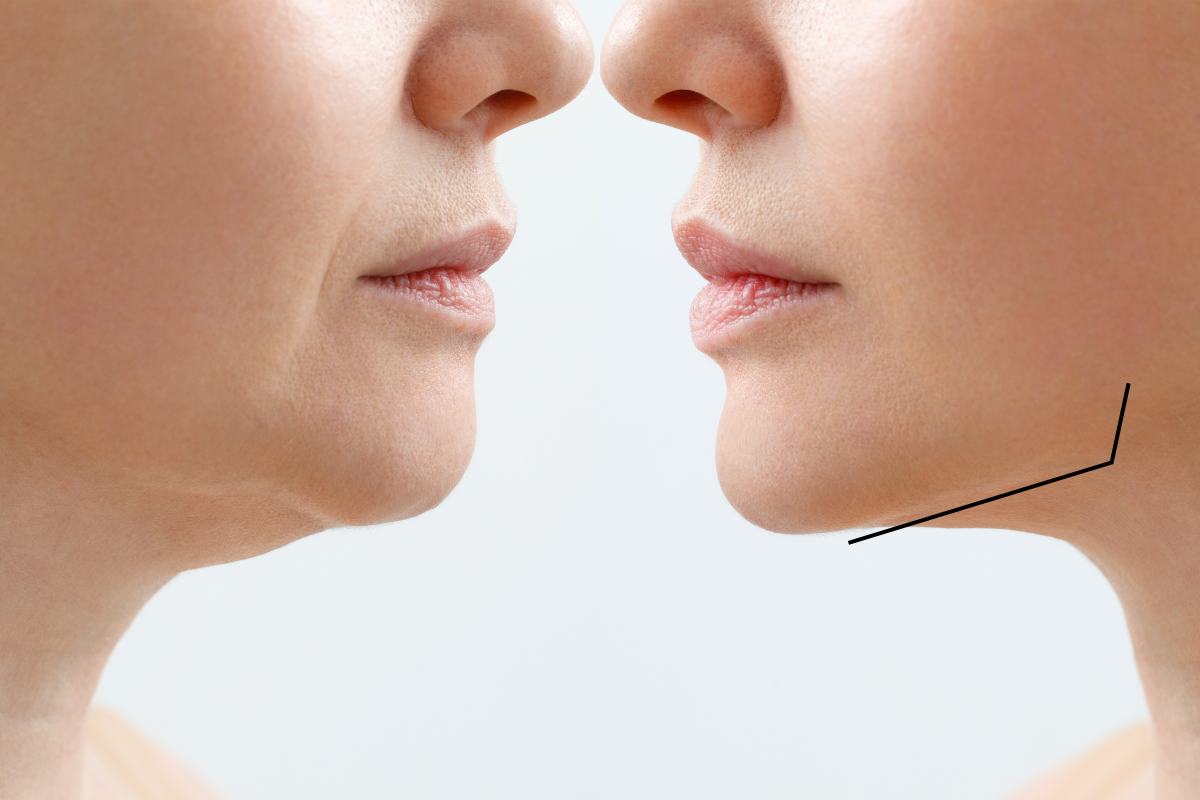
- How: Sit upright. Gently pull your chin straight back (creating a slight double chin). Hold for 3–5 seconds. Release. Repeat 10 times. Follow with a slow, gentle, pain-free mouth opening
- Purpose: Restores cervical alignment, which directly reduces tension load on the TMJ
4. Resistance-Free Side-to-Side Movement
Restores lateral jaw mobility that becomes restricted in many TMJ patients.
- How: Place a clean fingertip lightly between the upper and lower front teeth as a guide (not as resistance). Move the jaw gently left and right to a comfortable range. 6 repetitions each direction, twice daily
- Purpose: Maintains lateral range of motion without compressive joint loading
5. Masseter Self-Massage
The masseter is the large chewing muscle on either side of the jaw — the primary site of tension in bruxism and stress-related TMJ pain. Releasing it manually is one of the most effective jaw muscle pain relief techniques available without professional treatment.
- How: Place two or three fingers on the lower part of your cheek (feel for the thick muscle just above the jaw angle). Apply firm but comfortable circular pressure. Work slowly upward. 60–90 seconds each side, daily
- Purpose: Releases myofascial trigger points that refer pain to the ear, temple, and teeth
Jaw Exercises: Helpful vs Harmful
| Exercise / Activity | Effect on TMJ | Recommended? |
|---|---|---|
| Relaxed jaw posture training | Reduces muscle overload | ✅ Yes — always |
| Controlled mouth opening | Restores tracking, reduces pain | ✅ Yes — twice daily |
| Chin tuck + gentle stretch | Reduces cervical-jaw tension | ✅ Yes |
| Masseter self-massage | Releases trigger points | ✅ Yes — daily |
| Aggressive jaw stretching | Worsens disc displacement | ❌ No |
| Heavy resistance training | Overloads inflamed joint | ❌ No |
| Chewing gum / hard foods | Dramatically increases joint load | ❌ No |
| Any exercise during acute pain | Extends inflammatory phase | ❌ Rest instead |
Other TMJ Home Management Strategies
Alongside the right jaw exercises, these complementary strategies form a complete home management approach:
- Warm compress: Apply a warm (not hot) cloth or heat pack to the jaw and temple area for 15–20 minutes. Heat increases blood flow, relaxes muscle fibres, and reduces spasm — the most effective immediate jaw pain relief tool
- Soft diet during flares: Reduce chewing load during acute periods — soups, yoghurt, eggs, soft vegetables. Avoid anything requiring wide opening or sustained chewing
- Stress management: TMJ pain is strongly modulated by stress and anxiety. The jaw tension patterns described in our cheek biting guide are often the same patients who clench at night — addressing the underlying stress response is part of the treatment
- Sleeping position: Sleeping on your stomach with your jaw pressed into the pillow significantly increases TMJ loading overnight. Side or back sleeping with neck support is strongly preferred
- Avoid wide opening triggers: Yawning widely, eating large burgers or sandwiches, or resting your chin on your hand all load the joint in ways that extend recovery
When to See a Dentist or Orofacial Specialist
Home exercises and self-care are appropriate for mild to moderate muscular TMJ pain. Seek professional evaluation from an orofacial specialist if:
- Jaw clicking is accompanied by pain, locking, or progressive limitation of opening
- Pain has persisted for more than 3–4 weeks despite home management
- You wake up with significant jaw soreness or headache every morning — a strong indicator of nocturnal bruxism requiring an occlusal splint
- Your bite feels misaligned or has changed — this may indicate a structural issue requiring dental correction
- You have facial asymmetry or swelling near the joint
- Pain is affecting sleep, eating, or daily quality of life
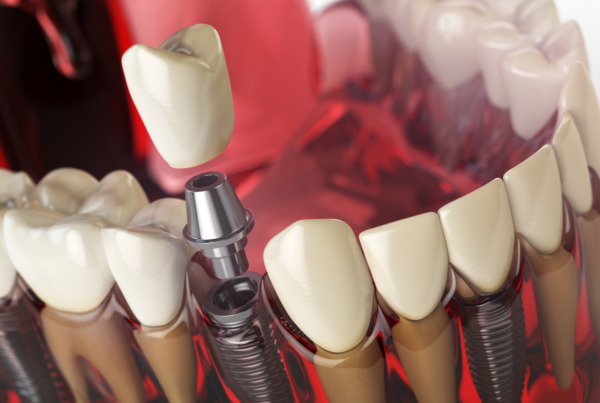
Professional TMJ treatment options include occlusal splints (night guards), laser therapy for jaw muscle pain, physiotherapy referral, and — where misalignment is the root cause — orthodontic treatment to correct the bite. For patients with significant tooth damage from bruxism, dental crowns or full mouth reconstruction may be part of a comprehensive rehabilitation plan.
It is also worth noting that jaw pain occasionally overlaps with symptoms of conditions like burning mouth syndrome or generalised orofacial pain — our orofacial team at ADP is experienced in distinguishing between these presentations and building a management plan that addresses the actual cause.
The Bottom Line
| Jaw exercises can absolutely help TMJ disorder — when they’re the right exercises, performed correctly, and timed appropriately. The wrong exercises, done during an acute inflammatory phase or with excessive force, can make things significantly worse. Gentle movement, postural retraining, and muscle release are the cornerstones of effective TMJ home management.
Pain that persists beyond a few weeks, clicking with locking, or jaw pain on waking every morning all signal that professional assessment is the right next step — not more self-treatment. |
Experiencing jaw pain, clicking, or morning stiffness that isn’t improving? Book a consultation at American Dental Practices in Mumbai or Bangalore. Our orofacial specialists are experienced in diagnosing and managing TMJ disorder, bruxism, and related orofacial pain — and will build a treatment plan that works for your specific presentation.